

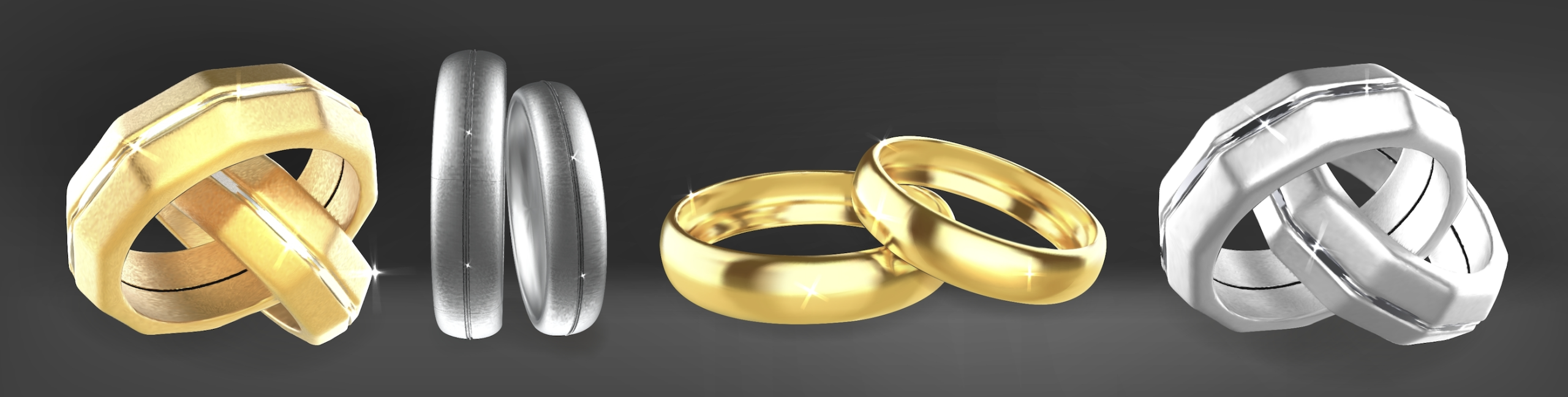
A straightforward guide to help you choose the precious metal that suits your style, your budget and your life
Choosing a piece of jewellery is one thing. Choosing the metal it’s made from is another decision entirely, and it’s one that often gets less attention than it deserves. Whether you’re picking an engagement ring, treating yourself to something special, or buying a gift for someone you love, the metal you choose will affect how the piece looks, how it wears over time, and how much it costs.
We get asked about this all the time in-store, and the truth is there’s no single “best” metal. Gold, silver and platinum each have their own character, and the right choice depends entirely on what matters most to you. So let’s break it down properly.
Gold: The Classic Choice
Gold has been prized for thousands of years, and it remains the most popular choice for fine jewellery today. Part of that comes down to its warmth and versatility. Part of it comes down to what gold has always represented: wealth, celebration, and permanence.
Pure gold, 24 carat, is actually too soft to wear day to day, which is why jewellery is made from gold alloys. In the UK, the most common purities are 9ct, 18ct and occasionally 22ct, with the carat number telling you what proportion of the metal is genuine gold. The higher the carat, the purer and softer the gold, and generally, the higher the price.
What makes gold appealing:
- Choice of colour. Yellow, white and rose gold are all created by mixing pure gold with different alloy metals, so you can find a shade that suits your skin tone and style.
- Durability. Gold doesn’t rust or tarnish, and with reasonable care, a gold piece will comfortably last a lifetime and beyond.
- Timelessness. Gold jewellery rarely looks dated. Styles come and go, but the metal itself never falls out of fashion.
- Value. Gold has a well-established resale and part-exchange market, and its price is tracked daily on the global market.
Worth knowing: Higher carat gold is softer, so an 18ct ring may show wear more readily than a 9ct one, particularly if it’s worn every day. If you’re after a hardwearing everyday ring, this is worth discussing with your jeweller.
Silver: Elegant and Accessible
Sterling silver is the most affordable of the three metals, and it’s a wonderful entry point into fine jewellery. It has a bright, cool-white shine that suits both classic and contemporary designs, and it’s a popular choice for everyday pieces, gifts, and jewellery for younger wearers.
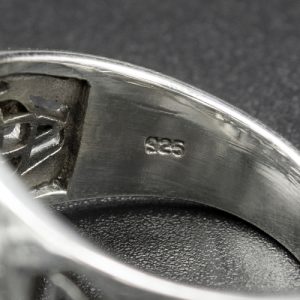
Sterling silver is 92.5% pure silver, alloyed with other metals for strength, which is why you’ll often see it stamped “925.” Pure silver, like pure gold, is too soft to be practical on its own.
What makes silver appealing:
- Affordability. Silver allows for beautiful, well-made pieces at a fraction of the cost of gold or platinum, making it ideal for building a jewellery collection.
- Versatility. Its clean, bright tone works well layered, stacked, or worn alone, and it pairs easily with most other metals and gemstones.
- Approachability. Silver is a lovely choice for first pieces, gifts for milestones, or pieces you want to wear daily without worry.
Worth knowing: Silver tarnishes over time when exposed to air and moisture, developing a dull or darker finish. This is easily reversed with regular cleaning and polishing, but it does mean it needs a little more upkeep than gold or platinum. It’s also softer than platinum, so it can show scratches more readily with everyday wear.
Platinum: Rare, Dense and Enduring
Platinum is the rarest and most valuable of the three metals, with a quiet, understated luxury that appeals to people who want something a little different from traditional gold.
Unlike gold, platinum jewellery is typically 95% pure, since the metal is naturally strong and doesn’t need heavy alloying. It has a naturally white sheen that never fades or needs replating, unlike white gold, which is often rhodium-plated to achieve its bright finish.
What makes platinum appealing:
- Density and strength. Platinum is significantly denser than gold, which means it holds gemstones exceptionally securely. It’s a popular choice for engagement rings for exactly this reason.
- Naturally hypoallergenic. Because platinum is used at such high purity, it’s an excellent option for those with sensitive skin.
- Develops a patina, not damage. Over time, platinum develops a soft satin surface called a patina. Many people love this look, though it can be polished back to a high shine if preferred.
- Rarity. Platinum is far rarer than gold, and this scarcity is reflected in its price and its exclusivity.
Worth knowing: Platinum is typically the most expensive of the three metals, weight for weight, partly due to its rarity and partly due to the skill required to work with it. If a scratch-free, brand-new shine matters more to you than a natural patina, this is something to bear in mind.
How They Compare
| Gold | Silver | Platinum | |
|---|---|---|---|
| Typical purity | 9ct, 18ct, 22ct | 92.5% (sterling) | 95%+ |
| Colour | Yellow, white, rose | Bright white | Naturally white |
| Durability | Very good | Good, softer | Excellent |
| Maintenance | Low | Higher (tarnishes) | Low |
| Price point | Mid to high | Most affordable | Highest |
| Best suited to | Everyday luxury, colour choice |
Budget-friendly, everyday wear |
Fine jewellery, security for stones |
So, Which Metal Is Right for You?
There’s genuinely no wrong answer here, only the choice that fits your priorities.
If you want a metal with colour options, a strong resale market and a timeless feel, gold is a wonderful all-rounder, particularly for engagement rings, wedding bands and pieces you’ll wear for decades.
If you’re after something beautiful on a more accessible budget, or you’re buying a first piece, a gift, or something you’ll wear every day without a second thought, silver is a brilliant choice. Just be prepared for a little extra polishing along the way.
If you want the rarest option, the most secure setting for precious stones, or a naturally white metal that will never need replating, platinum is likely to be the one for you, especially for an engagement ring that needs to work hard for a lifetime.
Many of our customers also mix metals within their collection. No rule says you have to pick just one.
One thing worth flagging though: rings worn together should ideally be the same metal. This matters most for an engagement ring and wedding band, since these sit side by side on the same finger, every single day, for years. If one ring is platinum and the other is gold, the harder metal will gradually wear away at the softer one every time they knock together. Over time, this can leave visible grooves or thinning on the softer ring, and can also cause tiny particles of the softer metal to rub off onto the harder one, dulling its finish. This is especially noticeable when platinum and gold are worn as a pair, since platinum is considerably harder and denser than gold.
The simple fix is to have your wedding band made in the same metal as your engagement ring, which is exactly why we’ll always ask what your engagement ring is before helping you choose a band. If you already have mismatched rings and have noticed wear, it’s nothing to worry about unduly, but it’s worth having them checked, as a reshank or re-tip can usually put things right.
Still Not Sure? Come and Talk to Us
At The Goldmarket, we’re always happy to talk you through your options in person, show you how each metal looks and feels, and help you find the right piece for the right reasons. No pressure, no sales pitch, just honest advice from people who work with jewellery every day.
Pop in and see us at 23 High Street, Weston-super-Mare, or give us a call on 01934 628 361. We’re always happy to help.